
When done incorrectly, carpet deep cleaning can cause mold growth and other issues, including buckling. It is important for businesses to follow best practices when deep cleaning their carpets. A deep clean is meant to refresh and protect your carpets, but improper techniques can leave them soaking with water, creating an ideal environment for mold and mildew. This guide will walk you through the best practices for carpet cleaning to help you achieve a thorough clean without unwanted side effects.
Why Does My Carpet Smell Musty After Cleaning?
A musty smell after cleaning is an indicator that the carpet is too wet, which can lead to mold development. This often happens when too much water is used during the extraction process, or the ventilation in the room is poor. Proper carpet deep cleaning requires balancing water usage with powerful suction to remove as much moisture as possible. Ensuring the area has good airflow by using fans or opening windows can significantly speed up drying time and prevent the growth of odor-causing bacteria and mold.
How Can I Prevent Mold When Deep Cleaning Carpets?
Preventing mold begins with using the right techniques and equipment for the job and allowing for adequate drying time. It is essential to follow the instructions provided with your cleaning machine. Before you begin, you can test the cleaner in a small, less visible area to get a feel for the equipment. Other helpful practices include:
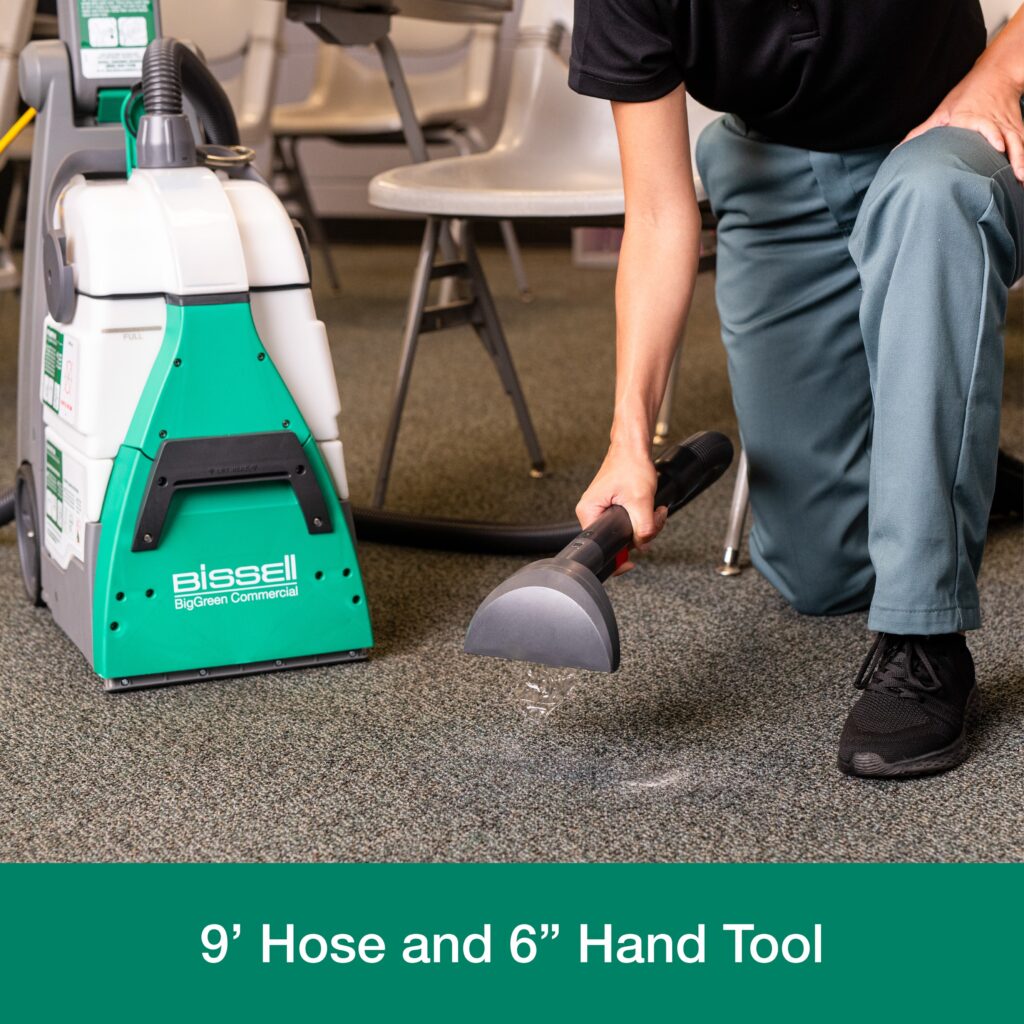
- Proper Water Extraction: Go over the cleaned area multiple times with the suction function only. This step pulls excess water out of the carpet fibers and padding, which is critical for preventing a waterlogged situation.
- Promote Air Circulation: Use fans, dehumidifiers, or your building’s HVAC system to circulate air across the carpet’s surface. This helps moisture evaporate more quickly, cutting down the overall drying time.
- Avoid Soaking Stains: When treating a tough spot, it is better to apply a spot treatment and blot the area rather than pouring large amounts of cleaning solution on it. This targeted approach cleans the stain without soaking the carpet backing.
What Are the Signs of Mold in a Carpet?
Visible discoloration, a persistent earthy or musty odor, and increased allergy symptoms among building occupants are all signs that you may have mold. Mold is not always visible on the surface of the carpet and can grow within the padding or on the subfloor beneath. If you suspect mold growth after a recent carpet cleaning, it is crucial to address it immediately. A professional inspection might be necessary to determine the extent of the problem and the appropriate steps for remediation. Ignoring these signs can lead to more significant damage and potential health concerns.
How Long Should a Commercial Carpet Take to Dry?
A commercial carpet should ideally be dry to the touch within a few hours and completely dry within a day, depending on the cleaning method and environmental conditions. Factors like humidity, temperature, and airflow all play a role in the drying process. Using professional-grade equipment designed for commercial spaces helps ensure efficient water extraction, which is key to a faster drying time. Planning your cleaning schedule for low traffic periods or at the end of the business day can allow carpets the uninterrupted time they need to dry thoroughly, preventing issues before they start.
Find the Right Cleaning Equipment with Bissell Commercial
Properly cleaning your carpets is essential for maintaining a healthy and welcoming environment. By avoiding common mistakes and using the right methods, you can prevent mold growth and extend the life of your flooring. We provide carpet cleaning equipment and cleaning solutions to businesses across the country. Explore our range of commercial carpet cleaners to find the perfect equipment for your facility’s needs.